Made by more than RAKA.
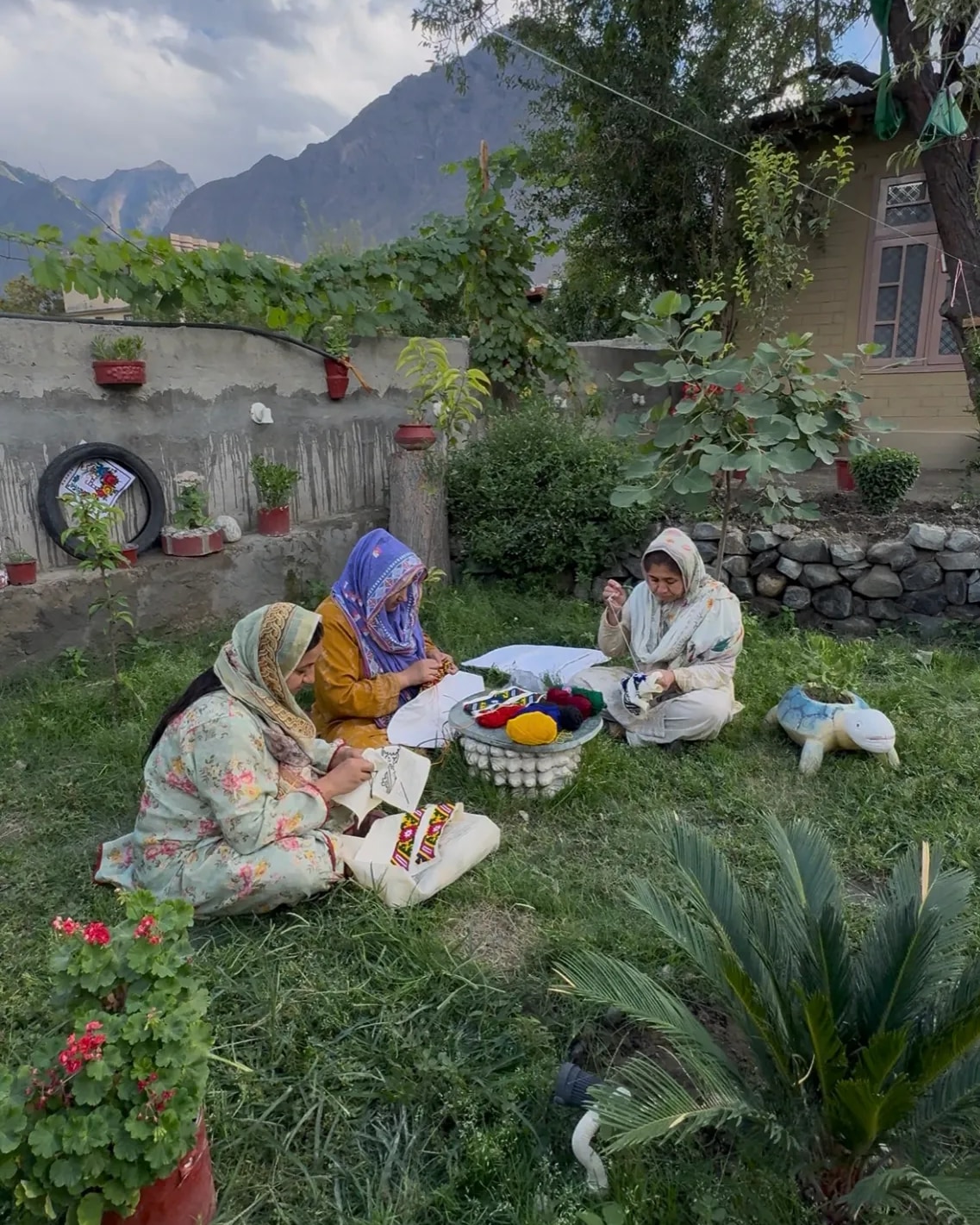
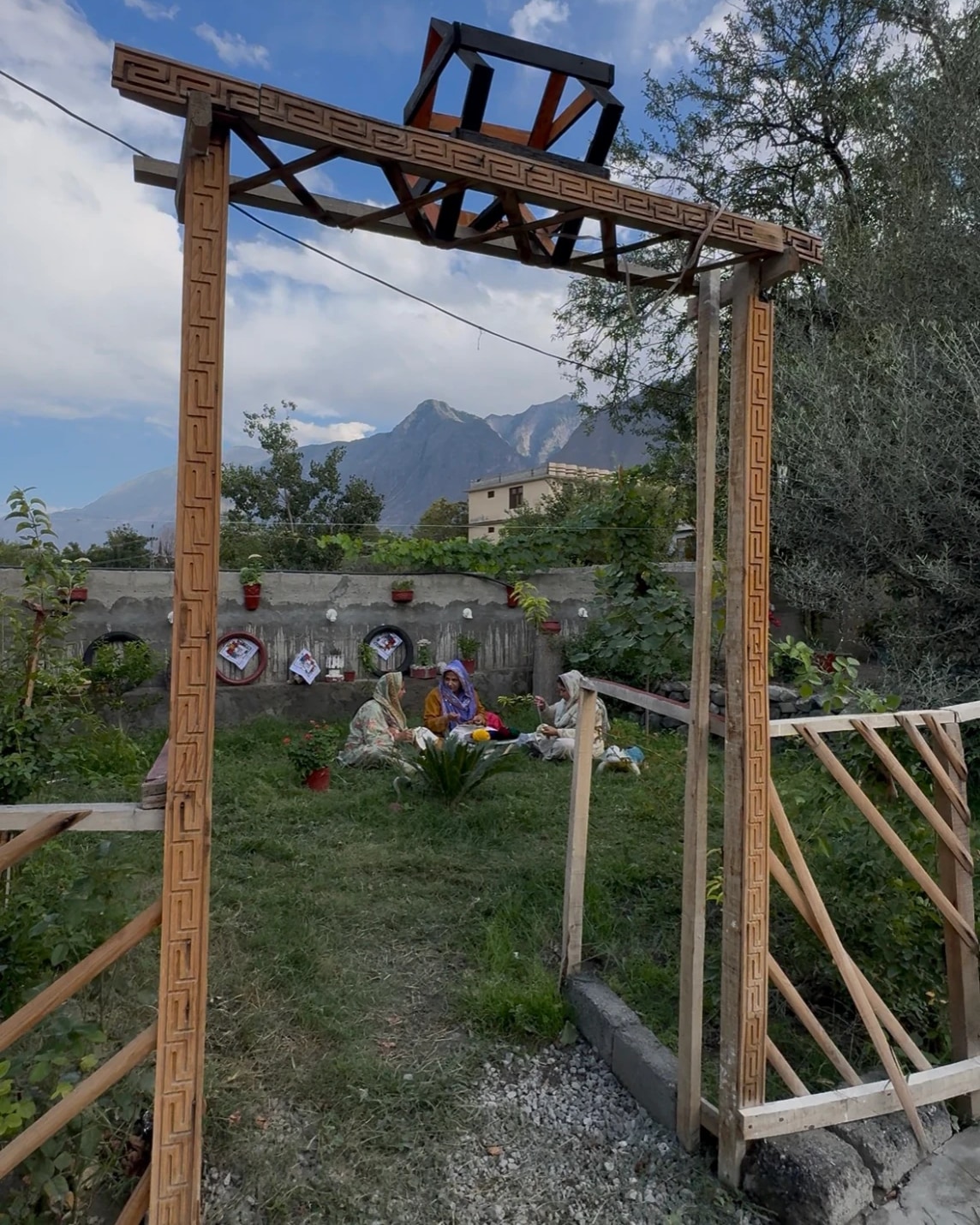
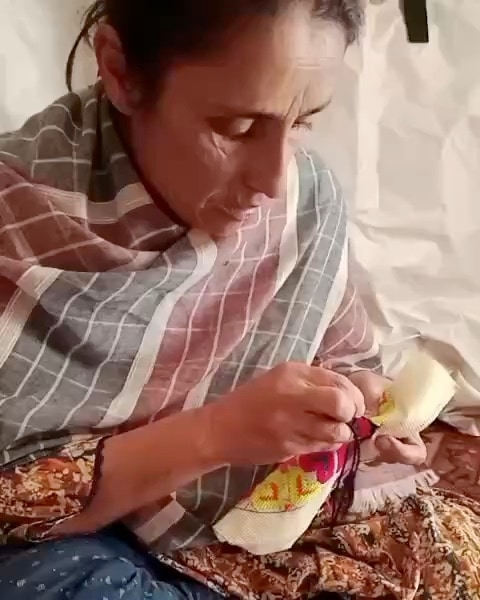
RAKA works with women artisans in Gilgit-Baltistan, bringing traditional handwork into an entirely different context: contemporary streetwear.
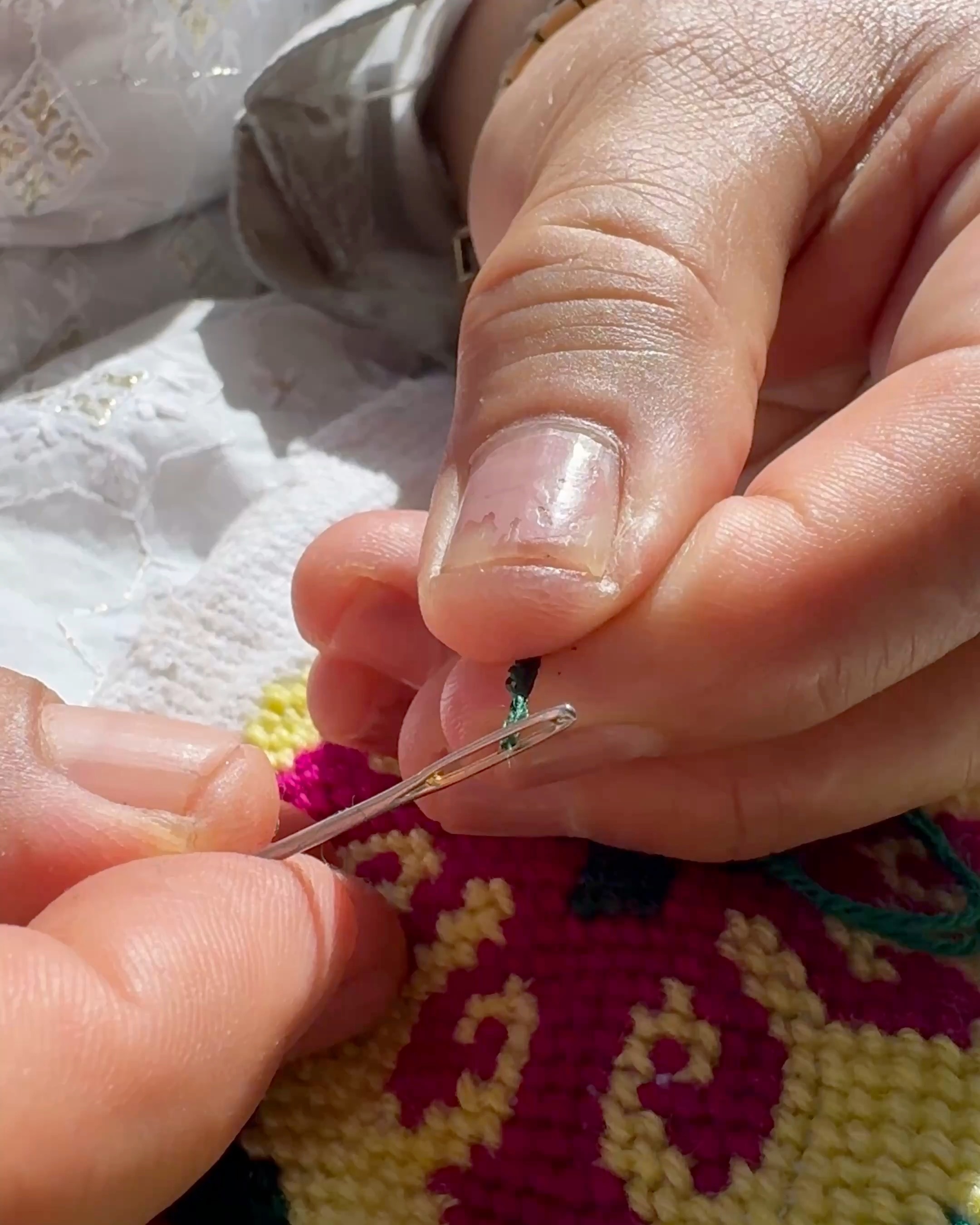
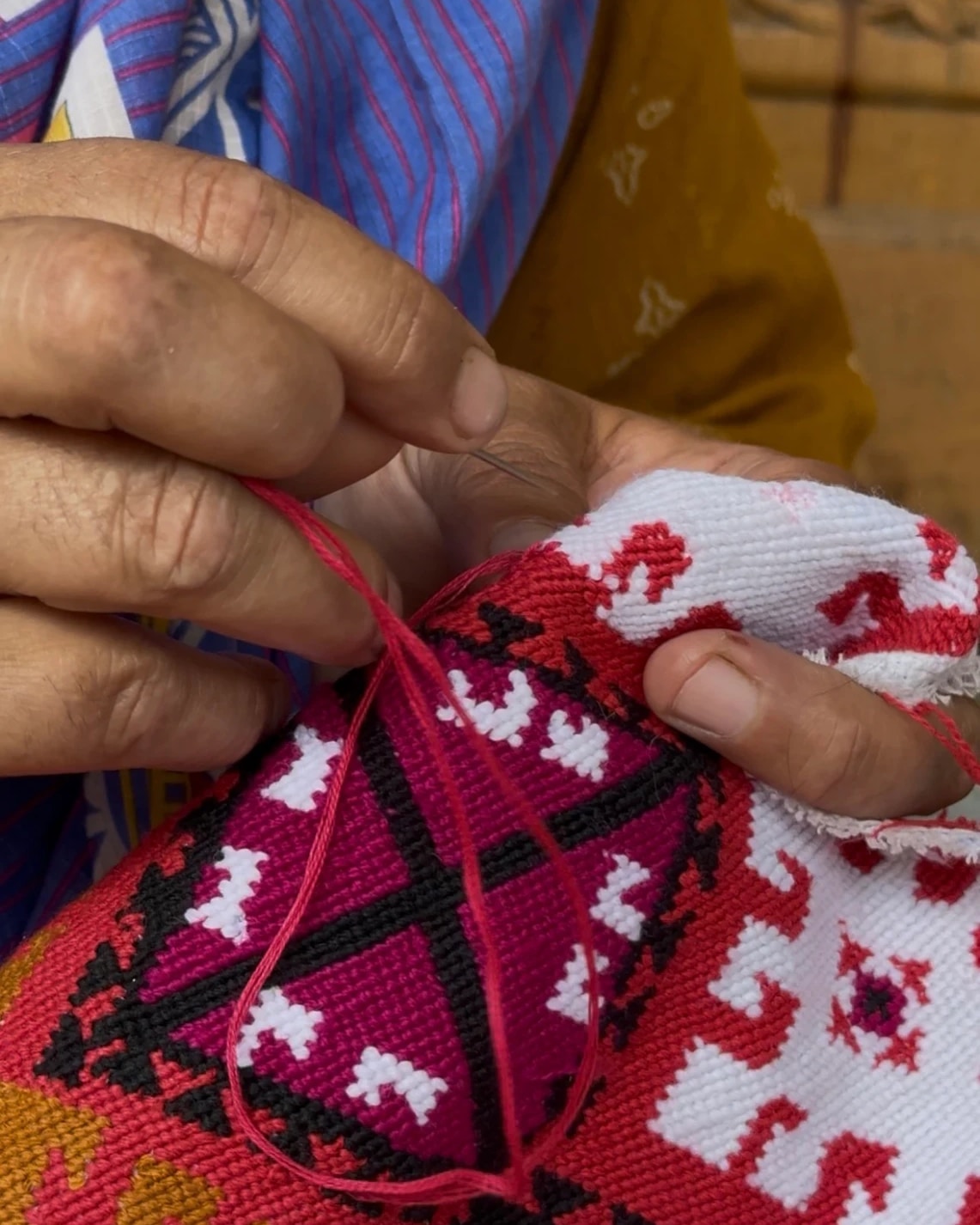
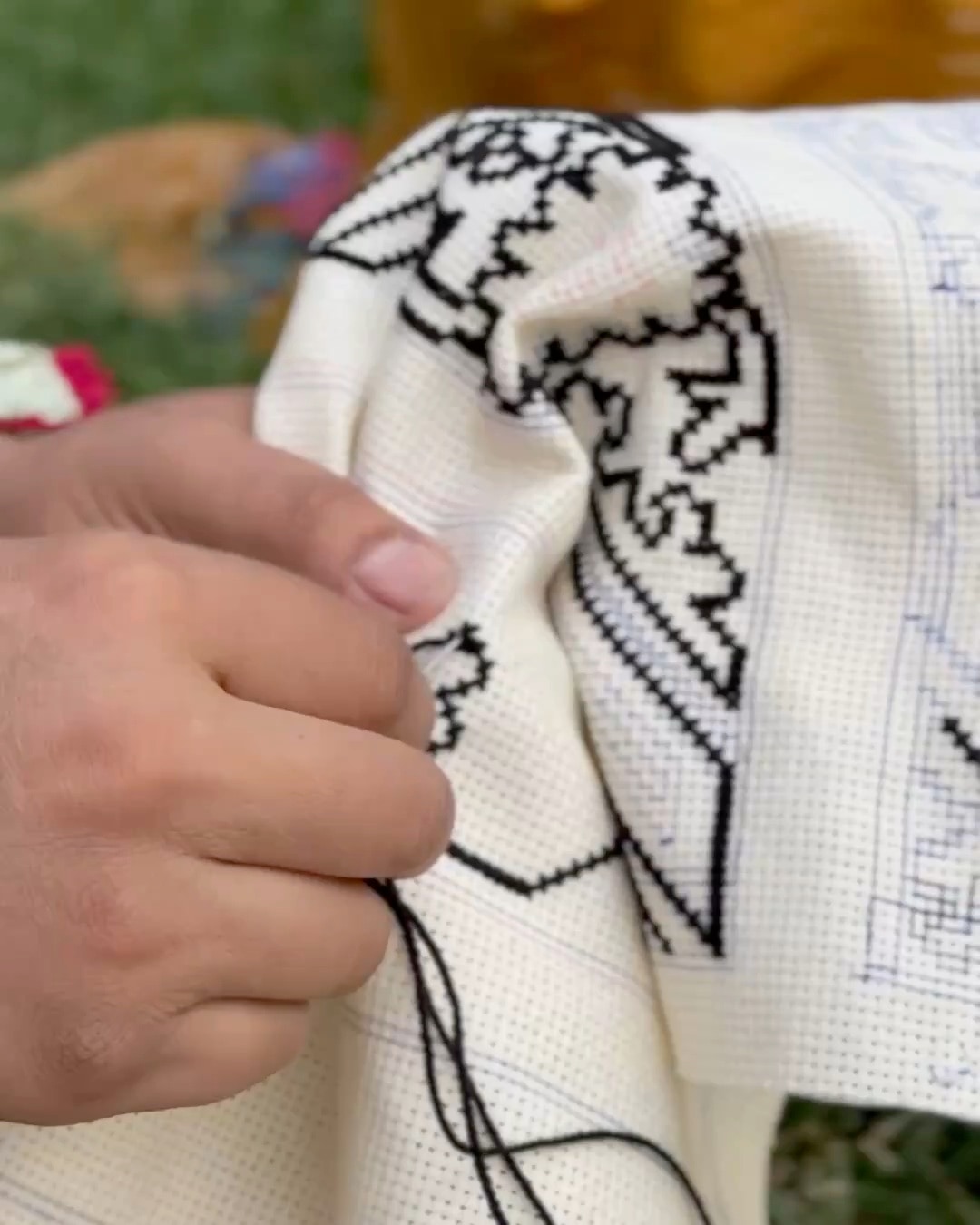
The stitch on our sleeves is the same one that has lived on caps, collars, cushions and wedding clothes in the North for generations. It was always there.
It just waited for occasions. We wanted it worn on an ordinary Tuesday.
How we work together
The makers set the price of their work.
We don't send a rate card. Each piece is costed by the woman who stitches it, based on the hours it takes and what she thinks it's worth.
A pouch can take fifteen to twenty hours. A cushion, close to eighty.
Those hours are counted, and they're paid.
They are collaborators with authorship over what they make. Motifs are developed together, colours are argued over together, and the final call on the stitch is hers.
Their names travel with the work only when they choose.
The embroidery happens at home, in Jutial and Karimabad, around the rest of the day. No one commutes to a workshop.
The work fits the life, not the other way round.
What the work pays for
The money stays where it's earned. Each woman is paid for her hours, and what it pays for is her decision.
They didn't need us to teach them anything. The skill was already theirs, passed from hands to hands.
What changed is where it goes. A craft once made for dowries and given away now earns.
The makers
Gul Nama
Jutial, Gilgit · Hand cross-stitch
Her cross-stitch lived on cushions, tapestry and embroidered mirrors before RAKA. She developed the first motif, Phunar, with RAKA and stitches the Silsila band by hand.